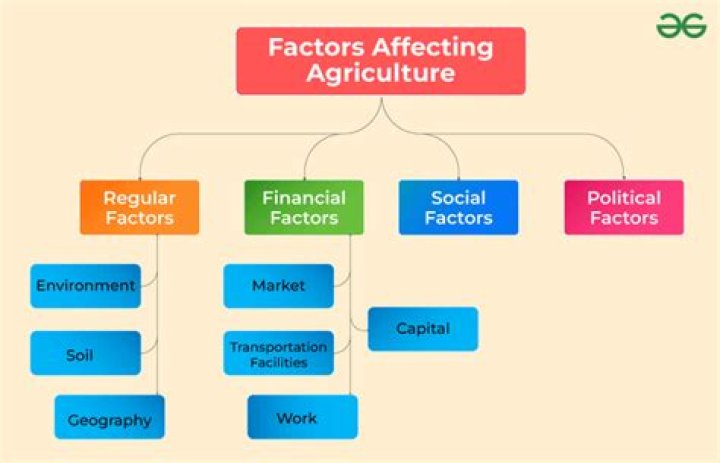
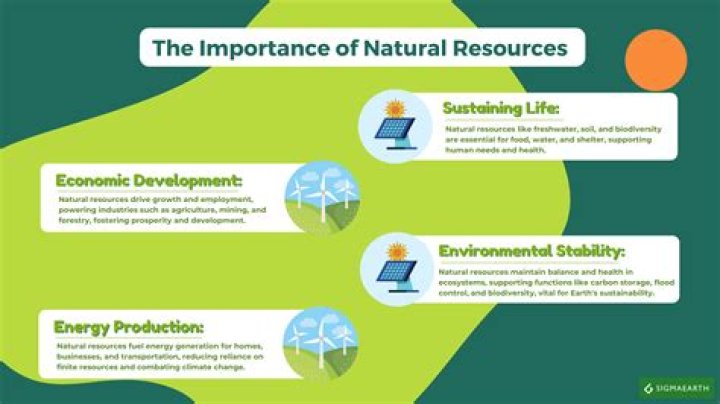
Economists generally agree that economic development and growth are influenced by four factors: human resources, physical capital, natural resources and t...
Trade contributes to eradicating extreme hunger and poverty (MDG 1), by reducing by half the proportion of people suffering from hunger and those living o...
After a decade away from the limelight, the acclaimed magician, David Blaine announced on August 12th that would be unveiling a magic trick called “Ascens...
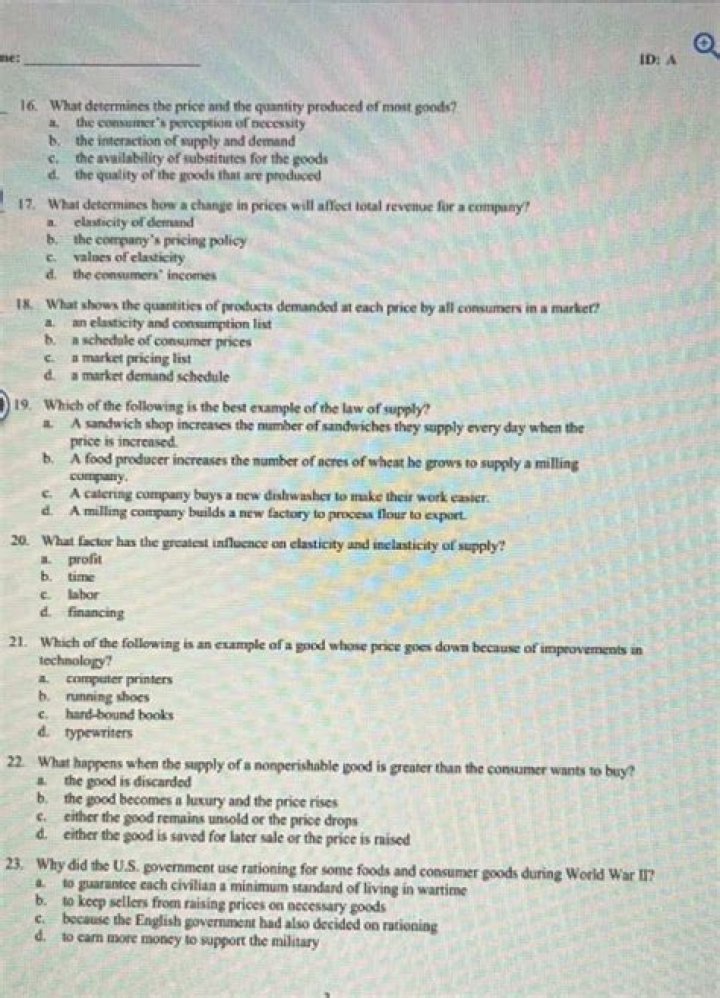
The elasticity of demand determines how a change in price will affect the total revenue for a company. What happens when consumers react to an increase in...
: a state or condition of a system or process (such as one of the energy states of an atom) that does not change in time broadly : a condition that change...
Surprisingly, the United States experienced high unemployment and high inflation simultaneously in the 1970s — a phenomenon called stagflation. Experts an...
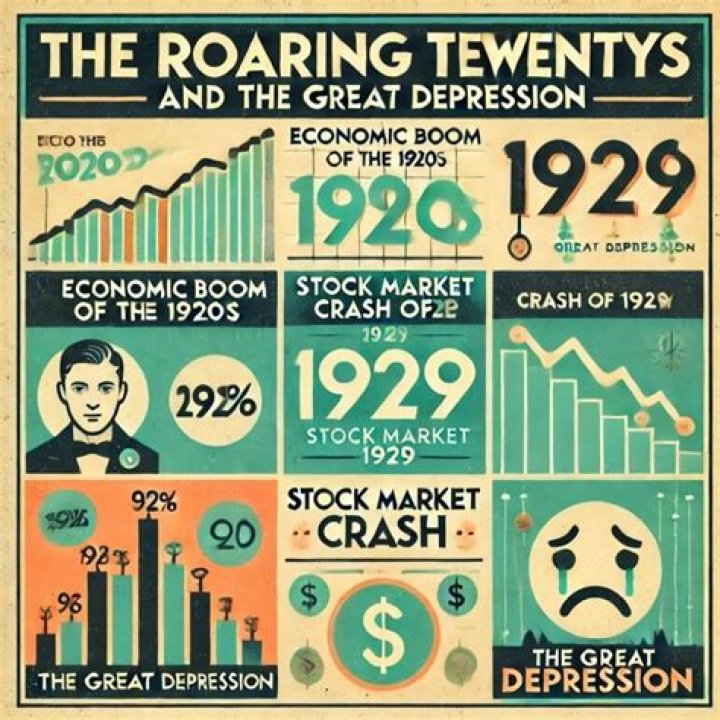
Before the Great Depression, federal govern- ment spending accounted for less than 3 percent of GDP. By 1939, federal outlays exceeded 10 percent of GDP. ...
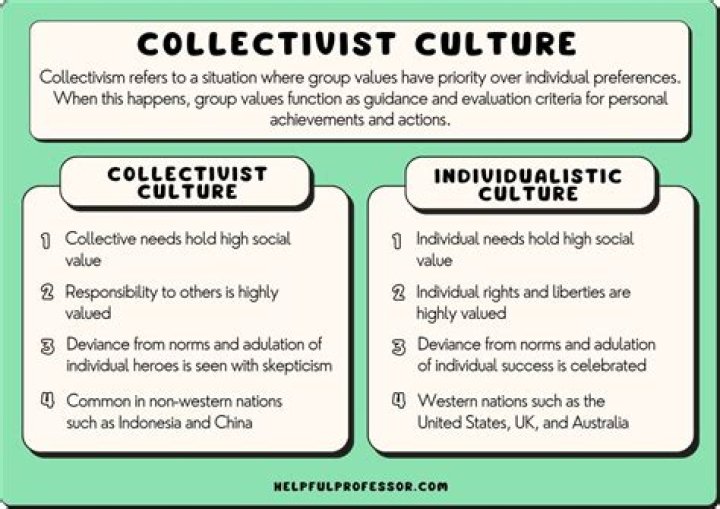
A socialist economy is an example of an economic system that is collectivist in nature. The means of production are owned by the state or collectively by ...
Increase in population has used more resources to expand production and to achieve a higher rate of economic growth. Though the above argument apparently ...